Diamond Quest - MLB The Show 26
Best Diamond Quest to Grind
Quests ranked by the current combined marketplace value of the sellable rewards tied to each board. This is a reward-pool snapshot, not a true expected-value or stubs-per-hour model.
Mid-Century Diamond Quest
 96,072
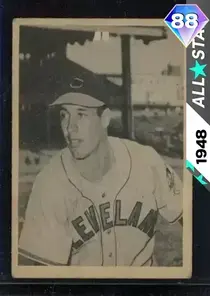 33,000 20,601
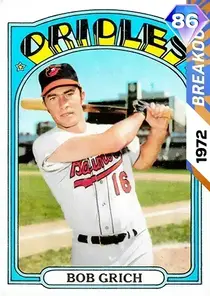 24,887 20,000
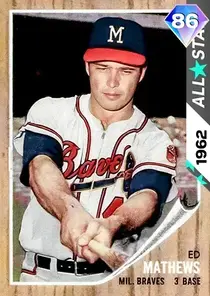 20,900 12,500
 17,285 10,075
Summer Diamond Quest
84,961 50,000 25,001
 31,999 20,086
 2,962 2,666
Cityscapes Diamond Quest
65,115 27,554 21,001
 34,599 19,999 2,962 2,666
Mural Diamond Quest
62,361 29,999 24,502
 29,400 23,000 2,962 2,666
Vintage Diamond Quest
55,426 29,964 18,111
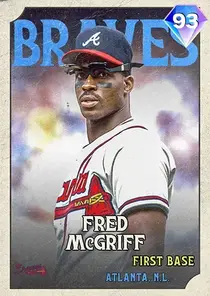 22,500 13,999 2,962 2,666
Diamond Quest in One Minute
Diamond Quest is a Diamond Dynasty single-player mode built around short board-based runs. You move across a map with dice rolls, reveal challenge spaces, collect peanuts, stack temporary perks, and try to reach a stadium game with the best reward setup you can build.
The appeal is flexibility. One run can be a careful full clear for safer odds, another can be a fast stadium rush for more attempts. If you learned the mode in MLB The Show 25, most of that board management still carries straight into MLB The Show 26.
Diamond Quest At a Glance
What It Is
Short solo DD runs built around dice movement, side challenges, peanuts, and a 3-inning stadium cash-out game.
Safer Route
Full-clear more of the board when you want extra perks and better reward odds without relying on your highest difficulty.
Watch For
The Sweeper is a route-planning problem first. Avoid letting it pin you near a challenge you do not want to play on its terms.
Faster Route
Rush the stadium when you trust your 3-inning win rate and care more about more attempts than a safer run build.
Carryover Rule
Peanuts carry between maps. Treat perks, penalties, revealed squares, and reward buildup as run-specific.
How a Run Works
Board Flow
- Start a quest, roll to move, and decide early whether you are building a safer run or racing to a stadium.
- Mystery and challenge spaces can turn into short moments, showdown-style situations, peanuts, perks, penalties, or a Coach's Cart shop.
- Winning side content matters because it improves the run itself and usually makes the eventual stadium game easier to trust.
- Stadium games are the cash-out point. Once you choose the stadium difficulty, you are playing for the reward pool attached to that quest.
Key Systems To Manage
- Peanuts are your currency for Coach's Cart purchases, so route with spending opportunities in mind instead of hoarding them for no reason.
- Perks and penalties are temporary run modifiers. Treat them as tools for the current map, not something worth saving.
- The Sweeper is a moving board hazard. If a small reroute avoids it, that is usually better than taking a punishment game on its terms.
- Higher stadium difficulty can improve the reward table, but it only pays off if you can close a 3-inning game consistently.
Best Ways to Grind Diamond Quest
There is no single correct route. The right grind depends on how often you win 3-inning CPU games and how much time you want to spend in each run.
Full Clear
- Use this when: You want more perks and more reward build-up without leaning on your highest stadium difficulty.
- Tradeoff: It takes longer, but it gives you more ways to improve the run before you cash out.
- Best fit: Players who would rather win more often than squeeze out maximum runs per hour.
- Practical note: Prioritize challenge-heavy lanes and a Coach's Cart if it fits the route. Do not wander just to land on empty spaces.
Balanced Route
- Use this when: You want a middle ground between a full sweep and a pure stadium rush.
- Tradeoff: Clear the best cluster of challenges on the way to the stadium you actually want, then cash out once the board stops offering useful upgrades.
- Best fit: Most repeat grinders. It balances pace, safety, and reward quality better than the extremes.
- Practical note: This is usually the best default if you are playing for steady rewards instead of pure volume.
Fast Stadium Rush
- Use this when: You can beat 3-inning CPU games consistently and want more reward attempts per hour.
- Tradeoff: It is faster, but you give up perks, side rewards, and a lot of the safety net that makes Diamond Quest forgiving.
- Best fit: Skilled players who care more about volume than perfecting a single run.
- Practical note: Only rush boards and difficulties you can close out reliably. One loss wipes the run.
What Carries Over and What Doesn't
- Peanuts now carry between maps. SDS made that change in Game Patch #4 on March 25, 2025.
- Run-specific perks, penalties, board position, revealed squares, and reward buildup should be treated as run-only progress.
- SDS also added an in-game warning about the repercussions of quitting out of a game or challenge. Do not assume a mid-run exit is safe if you care about preserving the current map.
MLB The Show 26 Notes
Diamond Quest still works best in MLB The Show 26 as a flexible solo reward loop. The quest pool and reward cards move, but the winning habits are basically the same as they were at launch in 25.
- If you are returning from 25, the biggest adjustment is not relearning the mode. It is re-evaluating which current boards and reward pools are worth your time.
- Use the ranking at the top of this page as a live marketplace-based view of which quests are worth grinding.
- In practice, 26 still rewards the same discipline: plan around the stadium you actually want, spend peanuts before they stop helping, and pick difficulty based on win rate instead of wishful thinking.
Common Questions
What happens if the Sweeper catches me?
Treat it like a punishment encounter. Community guides consistently describe it as forcing a tougher game and draining peanuts, so it is usually worth rerouting if the detour is small.
Should I full-clear every board?
No. Full clears make the most sense when you are lowering difficulty, chasing a strong reward pool, or still building your run. If the board already gave you enough help and you like the stadium matchup, cashing out earlier is reasonable.
What carries over between maps?
Peanuts do. SDS made that change in Game Patch #4 on March 25, 2025. Run-specific perks, penalties, revealed spaces, and reward buildup should be treated as map-specific.
When should I stop after the first stadium on two-stadium boards?
Stop when the current reward odds and first stadium pool already justify the run. Keep pushing only if the second stadium offers a real upgrade and you are still comfortable with the extra risk.
How do I preview rewards before the stadium?
Use the on-screen reward prompt from the quest or stadium screen before you lock in the game. Check the pool first, then decide whether that board is worth a full clear or a faster cash-out.
What difficulty should I pick?
Pick the highest 3-inning difficulty you can beat consistently, not the highest one you can survive once. Losing the stadium ends the run, so win rate matters more than theoretical reward color.